wild game dinner ideas

How to Make Crispy, Golden Venison Puffy Tacos

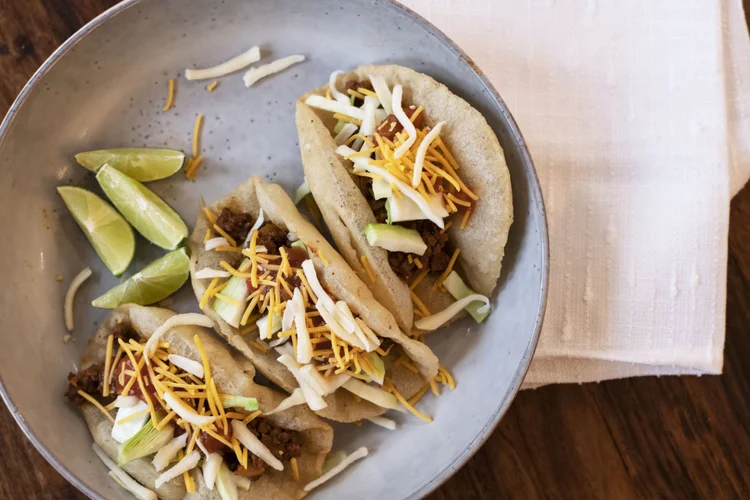
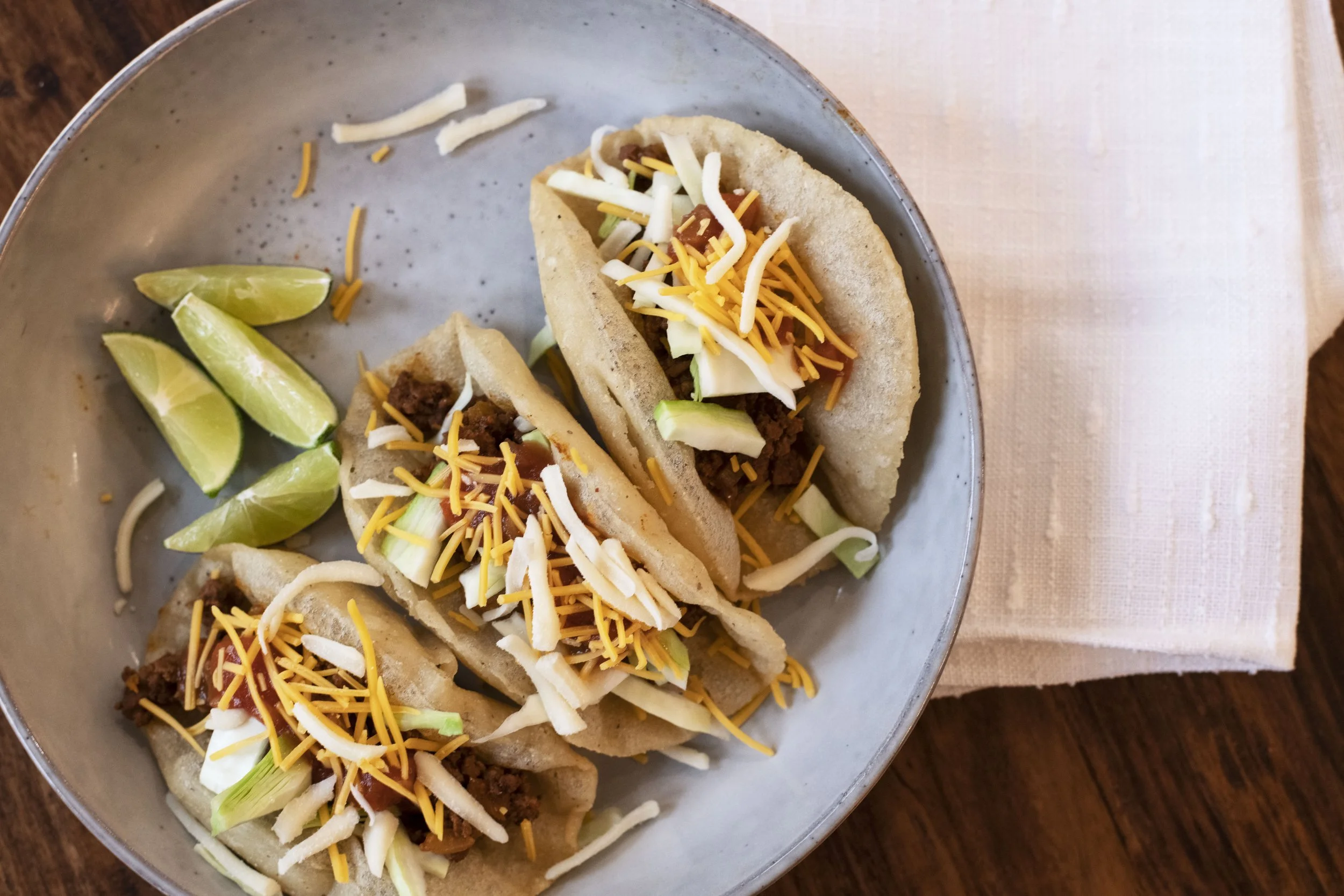
If you’re like me and not from Texas—and more specifically, San Antonio, Texas—there is a decent chance you have never even heard of a puffy taco. In many ways, it is like any other taco: a corn-based tortilla folded around a crumbly meat filling and topped with shredded cheese, crispy lettuce, and juicy tomato chunks. Where the similarities end, however, happens to be the same place they start: the tortilla.

JUMP TO RECIPE
What makes the puffy taco unique is the bloated, air puffed corn tortilla. The tortilla-making process starts with the simple mixing of masa harina flour and warm water. Masa harina is a corn kernel based flour where dried corn kernels are finely ground and then treated with an alkaline solution. The addition of the alkaline solution chemical treatment is where masa harina differs from regular corn meal, and this small step, which causes the dough to “stick” together, is necessary for creating corn tortillas.

Where the puffy tacos veers off from classifying as a regular corn tortilla is during the cooking process. The first steps in puffy taco shell creation include mixing the dough, rolling the mixture into golf-ball size portions, and then pressing the balls into thin discs. The actual cooking of the tortilla is where the magic happens. Typical corn tortilla taco shells fall into one of two categories: hard or soft. Hard taco shells are baked until the moisture is mostly removed and the shell has dried out. Sometimes they are deep fried for an even “crunchier” finish. Soft taco shells are cooked on a hot griddle for just a flash, at the most 60 seconds, and sometimes steamed a little to enhance the shell’s pliability. The puffy taco takes an entirely different route. Puffy taco shells are cooked in a deep pool of hot oil. Maintaining a constant temperature of 375 degrees Fahrenheit

Let’s Get Frying!

Choosing the Right Flour

The most important step for creating a puffy taco shell is buying the correct flour. Standard cornmeal or wheat-based flours will not work. You must buy masa harina.

Masa harina is different from other corn flours because it undergoes a process called nixtamalization. Dating back to early Mesoamerican cultures, this process involves soaking and cooking corn kernels in an alkaline solution. Historically, this solution was made from calcium hydroxide (sourced from raw limestone) or potassium hydroxide (produced from hardwood ash).

Modern calcium hydroxide, typically labeled on the bag as lime or cal, is a white, odorless powder used for food preservation and cooking. It is produced from limestone using a modernized version of the same ancient process. This lime activates the starches in the corn,

Batch Size Warning

Before getting started, I should point out that this recipe makes A LOT of shells. I ended up with almost forty taco shells by the end of the frying process. I was tired, speckled with splashes of grease, looked like I was wearing corn flour makeup, and my feet really hurt! If you aren’t looking to feed a small army, you can easily cut this recipe in half.

Mixing the Dough

To start, add four cups of the masa harina flour to a large mixing bowl. Blend in a teaspoon of salt. For mixing, I used my hands for most of this process because I figured they were going to be covered in dough often, but a wooden spoon works great too.
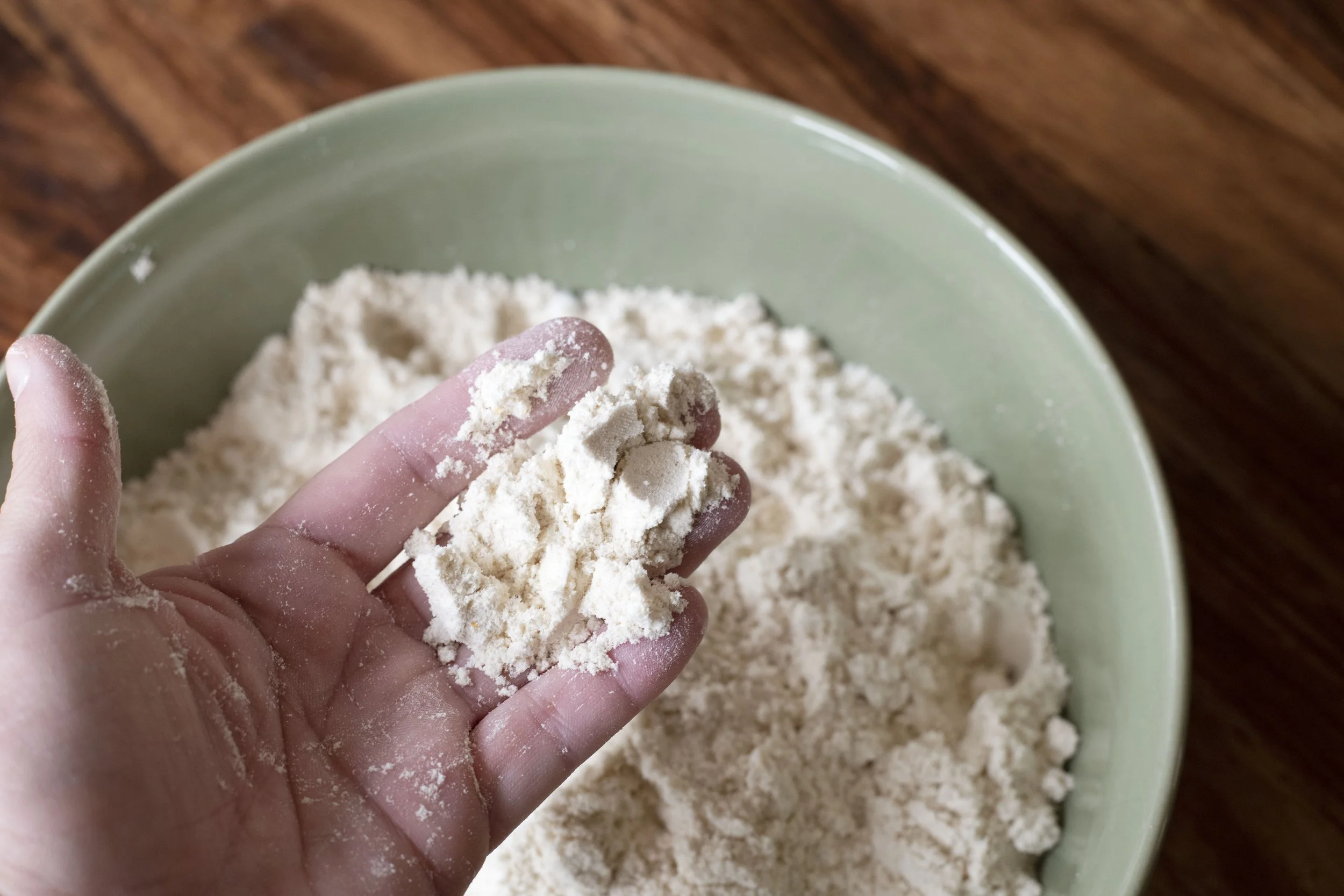
Masa Harina flour in an open palm hand

The recipe calls for three and a half cups of warm water. You might use less and you might end up needing a little more. It depends on the mood of the dough and other environmental factors. So basically, don’t dump the entire three and a half cups into the bowl all at once. Start slowly adding the water, maybe a half a cup or so, at a time and mix it in. Keep adding the water until the dough pulls together and resembles wet beach sand. For testing whether the dough was ready or not, I would roll a small amount into a ball and then press that ball into a flat disc. Once the edges of the disc didn’t crack, I knew the water to flour ratio was correct. 
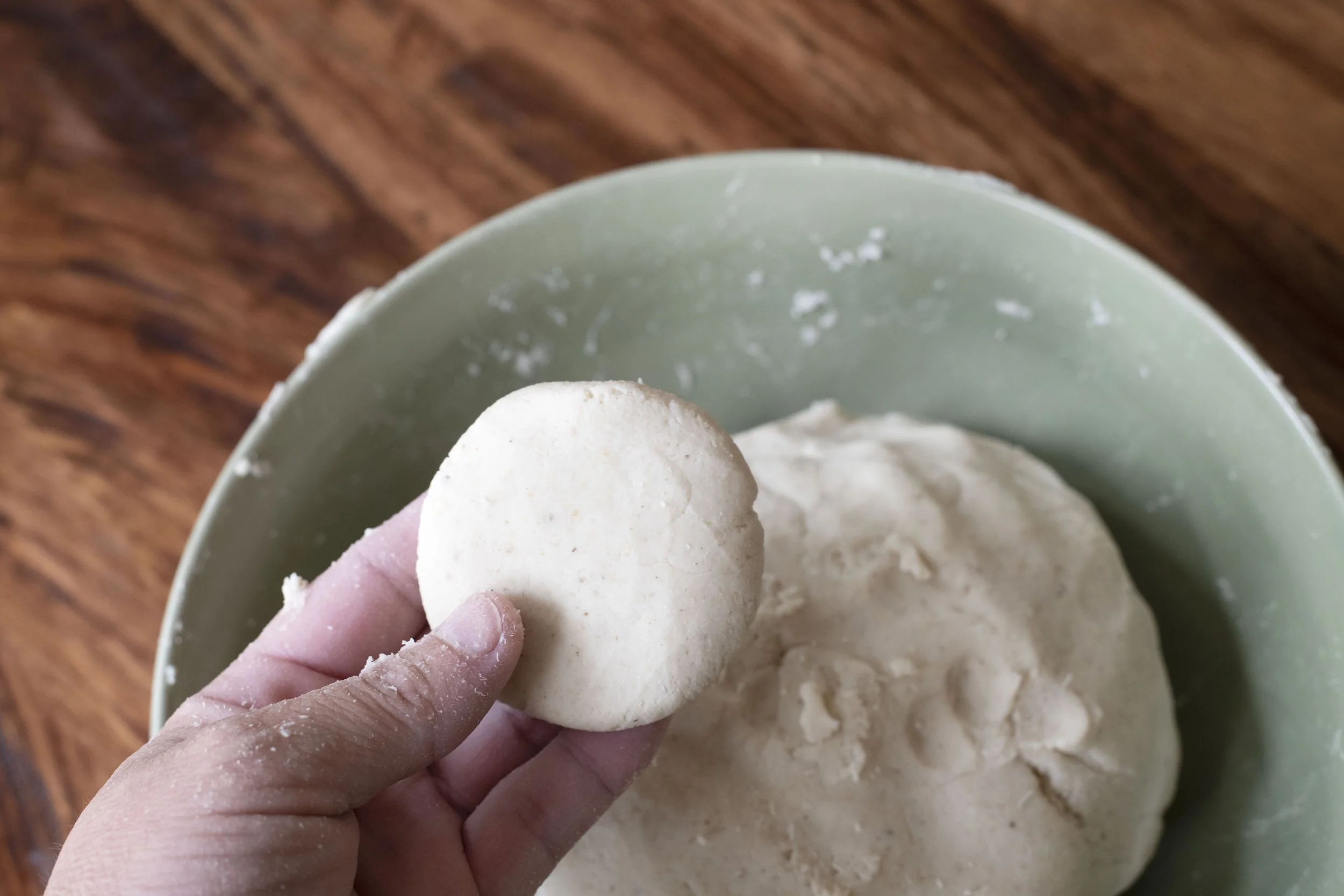
Mixed masa harina dough pressed into a flat disc

Cover the dough with a damp, not dripping wet, towel and let it rest for fifteen minutes. 

Once the dough has rested, it’s time to start rolling balls. I made my dough balls about the size of a golf ball. As you roll, place the balls back into the original bowl and under the damp towel to prevent them from drying out while you work. 
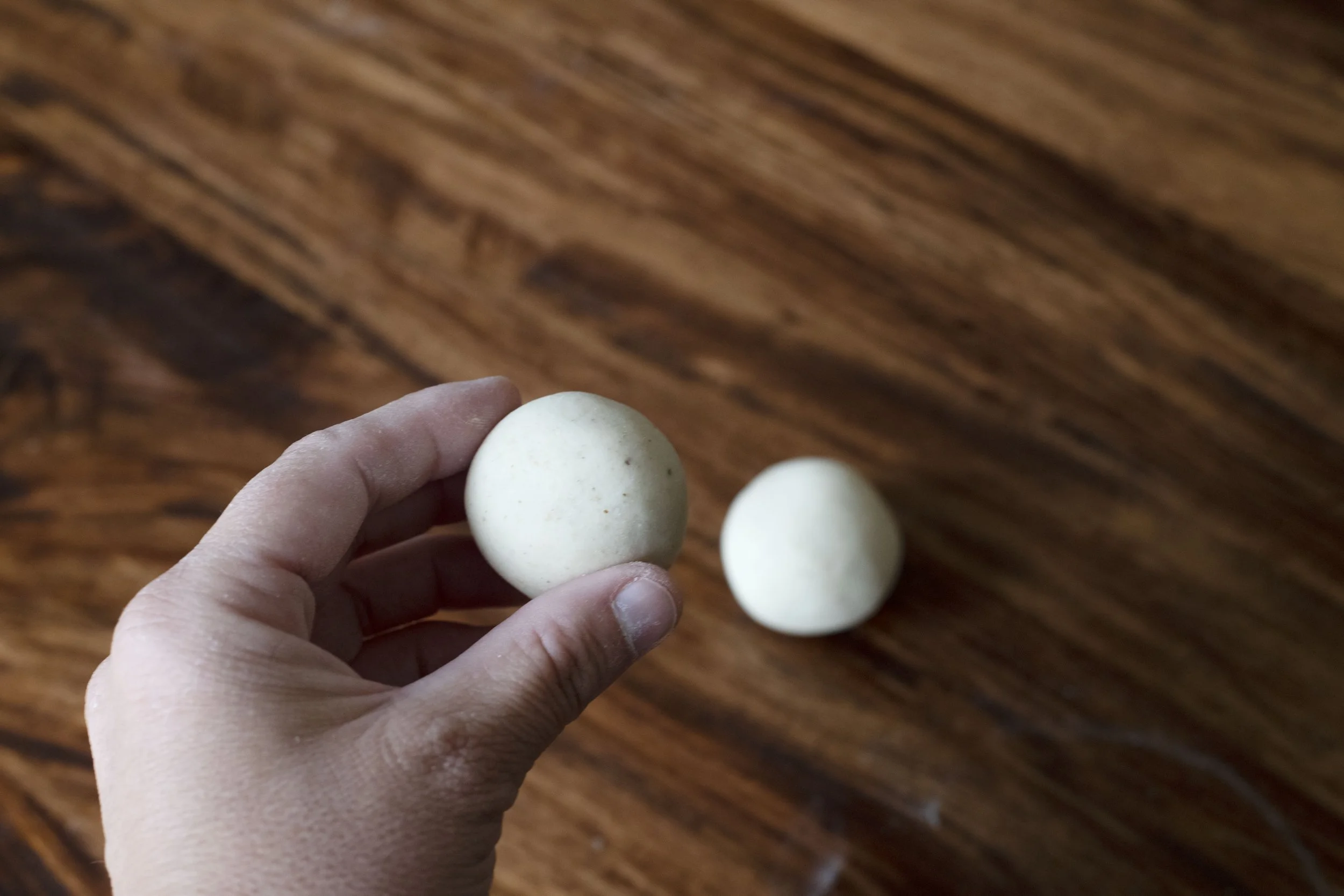
Masa harina dough rolled into golf ball size portions for making tortilla shells

Fryin’ Time

Once all the balls are ready, preheat a medium high-sided skillet filled with a high heat cooking oil over medium heat to 375 degrees fahrenheit. I like to use a cast-iron skillet for any deep frying I do because it maintains a consistent heat level. I just bought a simple and inexpensive one like this: Cast-Iorn Skillet

For the cooking oil, any oil with a high smoking point will work. The oil just needs to be able to handle high temperatures without breaking down, which results in a burnt taste of the food. High smoke point oils include: avocado, corn or vegetable, canola, or fats such as lard or beef tallow. 

While the oil is heating, start pressing out the tortilla shells. A tortilla press would be ideal here. Line it with two pieces of parchment paper to prevent sticking, and then start pressing away. An example of a nice tortilla press can be found here: Tortilla Press
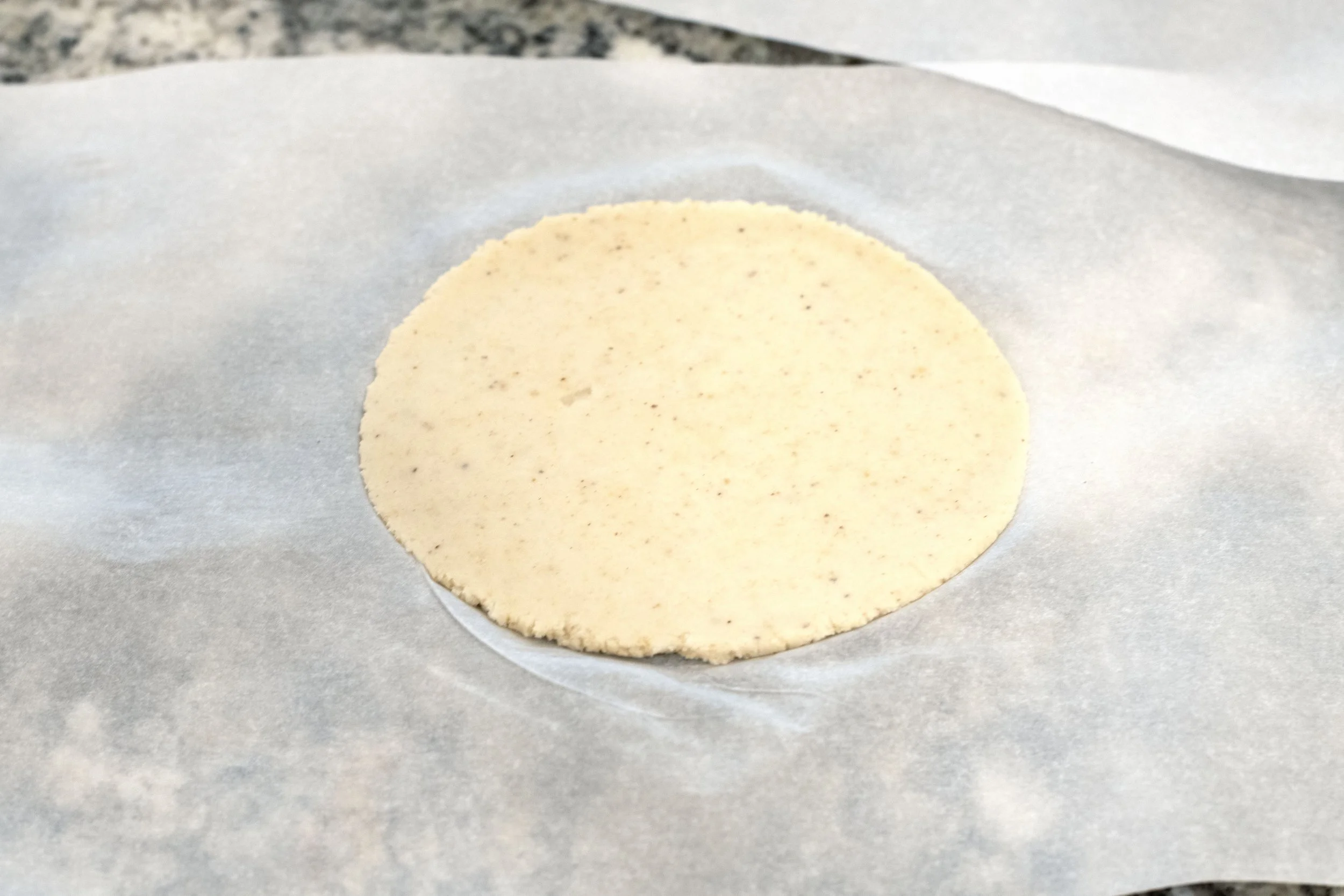
Flat pressed tortilla shell on a piece of parchment paper

If you don’t have a press, a heavy bottom skillet, a flat pot lid, or a hamburger press will work. I just think your hands might end up a little tired after the fact, but it will get the job done.  

To fry the tortillas, only add one raw shell to the oil at a time. This will keep the oil temperature consistently hot, resulting in an evenly cooked tortilla, and it’s also just really difficult to do more than one at a time. 

Anyway, gently slide the raw shell into the hot oil. It should sink slightly. Allow it to fry for about five to ten seconds. In this time, the center should puff up and the shell should quickly float. Flip the shell at this point, and with a metal spatula, gently depress the center of the shell, creating a light fold for the taco filling. Hold the tortilla in the oil for about 45 to 60 seconds more, until the dough develops a light, golden look to it. Remove the shell and let it rest and drain with the fold facing down on a paper towel. Repeat with the remaining shells. 

The Venison Taco Meat

I went with venison—specifically mule deer—for my taco meat, but whatever you have in the freezer will work: deer, elk, moose, bear, pronghorn, wild turkey, or even upland game like pheasant or chukar. I simply grind up any cut that isn’t tender enough for steaks. I don't supplement the meat with extra fat, which works perfectly fine for this recipe. Honestly, skipping the fat is mostly out of laziness; I just don't want to hunt down suitable pork or beef fat!
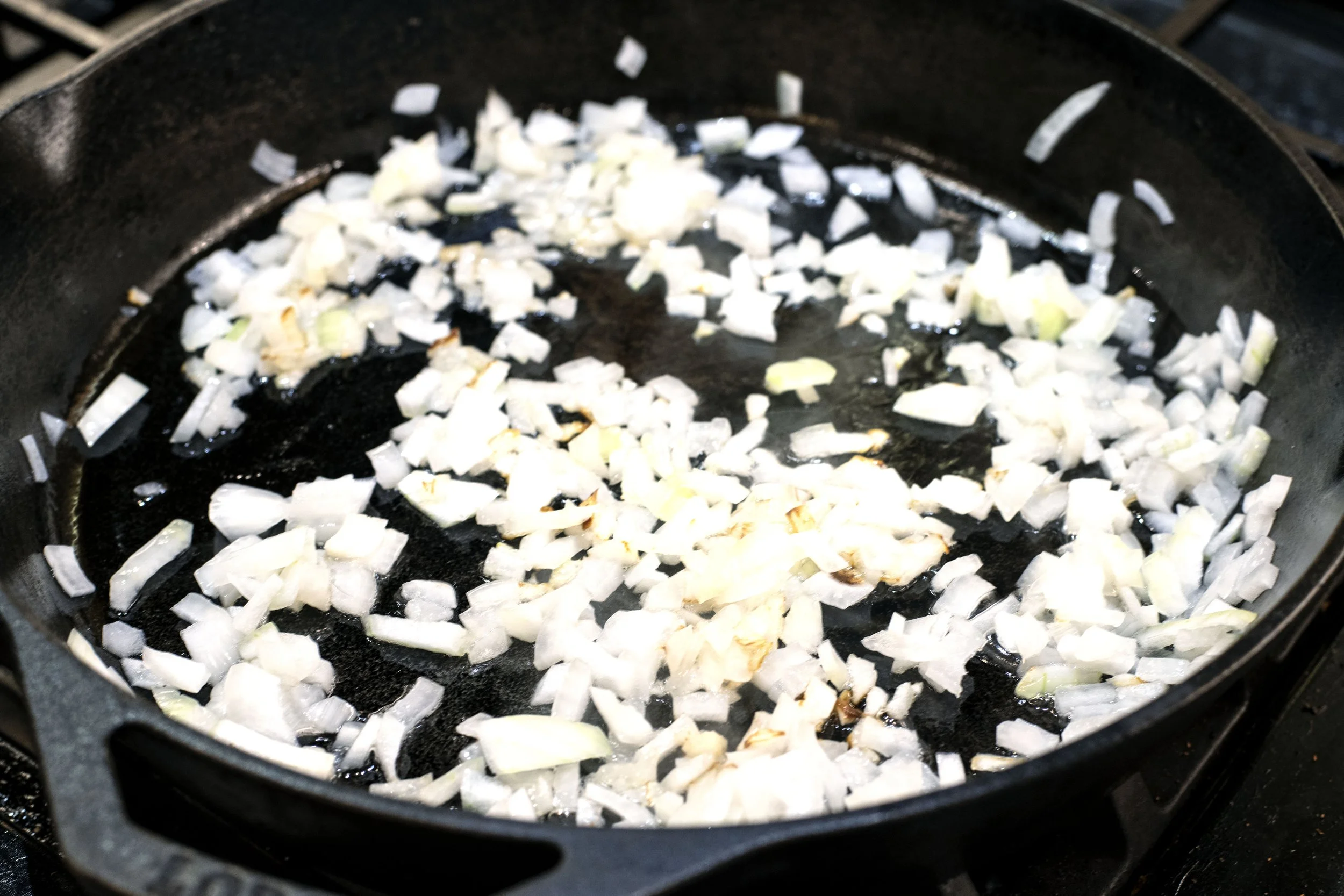
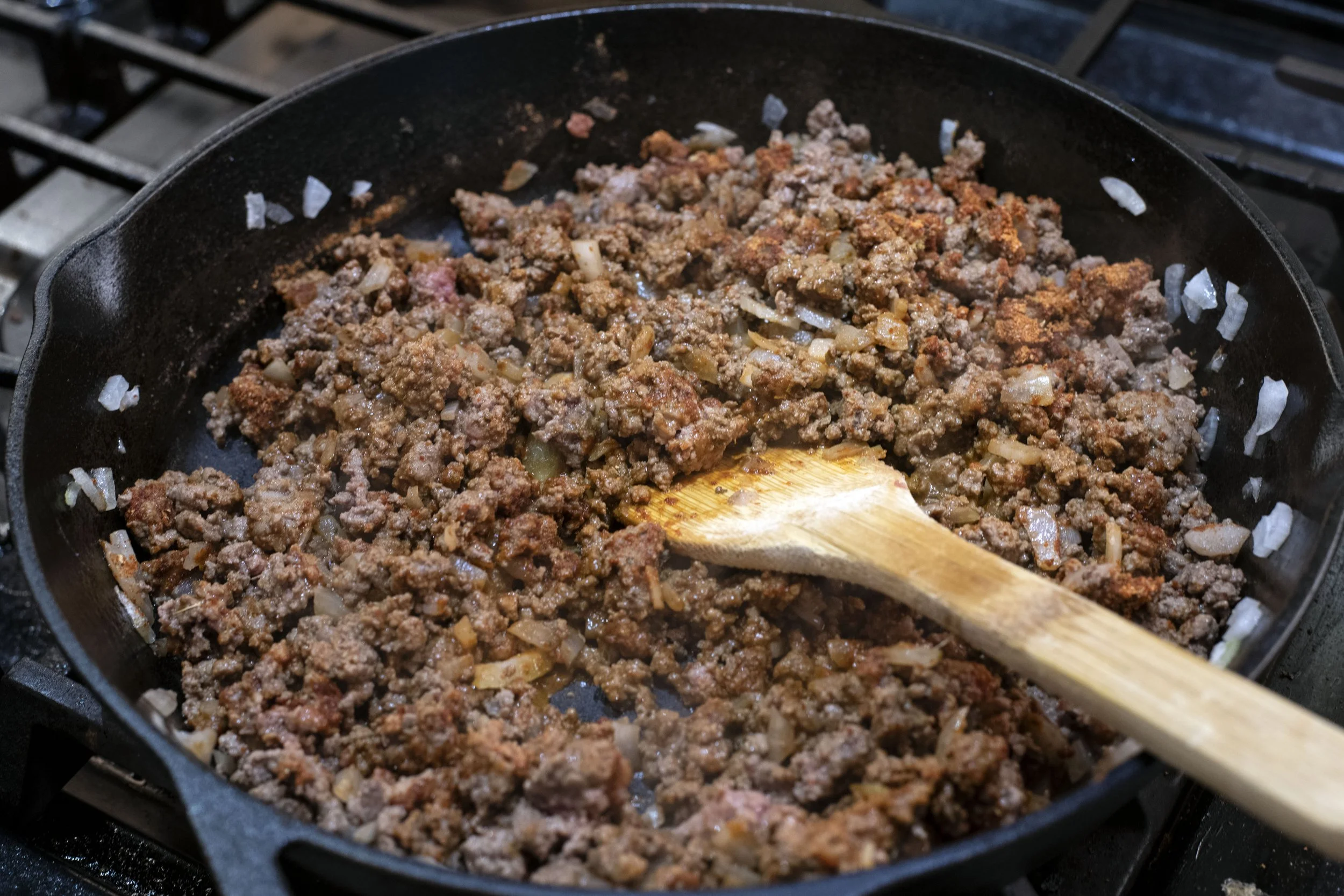
To start, add a tablespoon of cooking oil and the diced yellow onion to a large skillet. Once the onion softens—about three to five minutes—stir in the ground wild game. Let it brown for a few minutes, then add your seasonings. I used a very traditional taco seasoning mixture here. I wanted this recipe to focus more on the puffy taco shells than the filling, but however you prefer to season your taco meat will work wonderfully. Stir everything together, add a splash of tomato paste, and let the meat finish cooking for another five to seven minutes. Once the meat is cooked through, stir in a can of diced green chilis. I really enjoy the subtle kick of spice they bring to the dish.
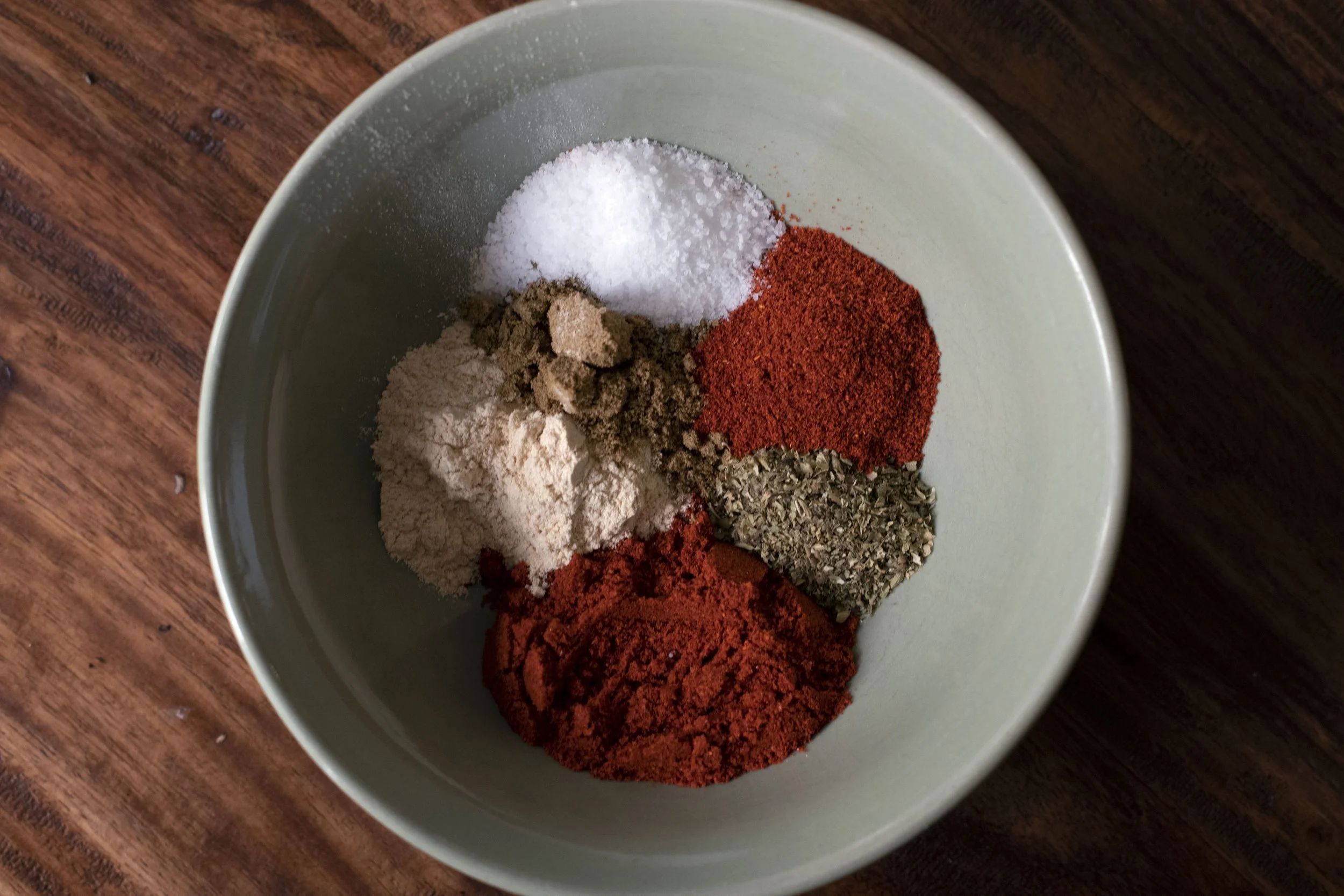
A very basic taco seasoning mix includes salt, garlic powder, paprika, oregano, cumin, and chili powder.

Plate it Up

Half the trick to a delicious taco is in the toppings! I stuck with pretty basic garnishments this evening since I was feeding a crowd and had already spent an hour making puffy taco shells. I didn’t know if I could spend more time chopping up too many diffferent options for the toppings.

I stuck with the basics: shredded cheddar cheese, diced tomatoes, shredded lettuce, some diced onions and avocado, and salsa. If you are looking for more variety, adding in some shredded cabbage or jicama is always a crowd pleaser at my house. I also like pico de gallo and guacamole if I feel like making a few small batches up. Diced jalapenos are never a mistake either.
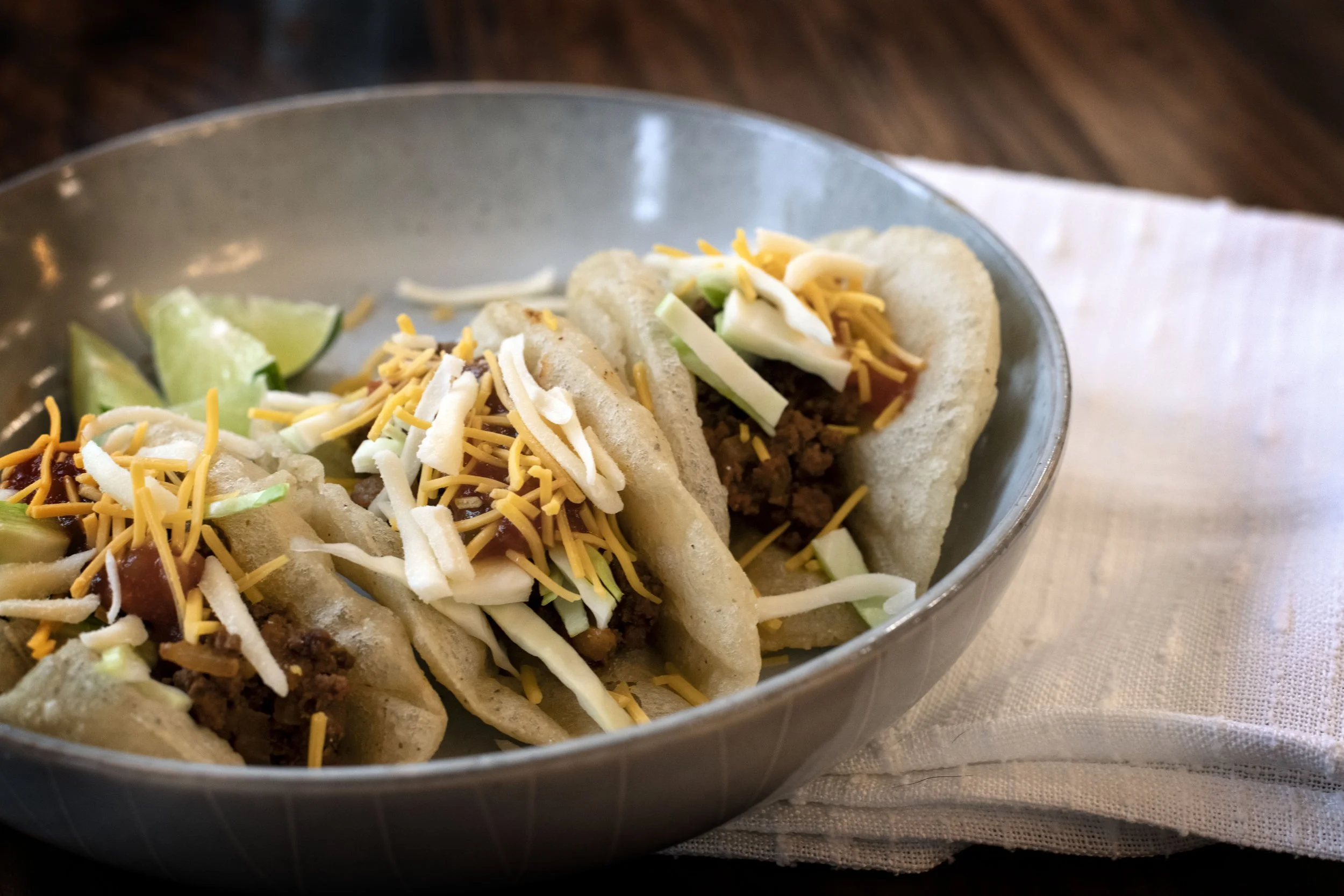
Enjoy and Happy Hunting!


????Frequently Asked Questions????

Yield: 16
Author: a 12 Gauge 4-6Girl
Tex-Mex Venison Puffy Tacos: Crisp & Savory

Tex-Mex Venison Puffy Tacos: Crisp & Savory

Prep time: 15 MinCook time: 15 MinInactive time: 15 MinTotal time: 45 Min

Bring San Antonio flavor home with this Tex-Mex venison puffy tacos recipe! Learn how to make crispy, puffed tortilla shells stuffed with seasoned wild game.

Ingredients

  • Puffy Taco Tortilla Ingredients
  • 4 cups masa harina
  • 3 ½ cups warm water
  • 1 teaspoon salt
  • 2 - 3 cups of high heat cooking oil (amount depends on size of cooking pan)
  • Venison Taco Meat
  • 1 pound ground venison
  • 1 medium onion, diced
  • 1 tablespoon cooking oil (avocado, canola, olive, vegetable)
  • 1 tablespoon chili powder
  • 1 teaspoon cumin
  • 1 teaspoon oregano
  • 1 teaspoon paprika
  • 1 teaspoon garlic powder
  • 1 teaspoon salt
  • 1 tablespoon tomato paste
  • 1 (4 oz) can diced green chilis (drained)
  • Garnish Suggestions: shredded cheese, diced tomatoes, shredded lettuce, diced avocado, diced onion, salsa, lime wedges

Instructions

Puffy Taco Tortilla Shells
  1. In a medium-sized bowl, mix together the 4 cups of masa harina flour and salt. Gradually pour in the warm water, using your hands or a wooden spoon to mix as you pour. Keep adding water until the dough holds together. It should not crack when formed into a small disc, but it also shouldn't be so wet that it sticks to your hands. The texture should be similar to wet sand. Cover the dough with a damp towel and let it rest for 15 minutes.
  2. While the dough is resting, add cooking oil to a heavy-bottomed pot or deep-sided cast-iron skillet. The amount of oil will vary based on the diameter of your cooking vessel, but it needs to be about three inches deep to properly fry the tortillas. Heat the oil over medium heat to 375°F.
  3. Divide the dough into golf-ball-sized portions and gently roll them in your hands until smooth. Using either a tortilla press or a heavy-bottomed skillet, press the balls into thin, flat discs about ⅛-inch thick. To make cleanup easier and prevent sticking, line the tortilla press with two pieces of parchment paper and press the dough ball between them.
  4. Once the oil is preheated, fry the tortillas one at a time. Adding more than one tortilla will drop the oil’s temperature, causing them to cook improperly. Gently slide a raw tortilla into the oil. Fry for about 5 to 10 seconds, or until the dough starts to lightly puff up and float. Flip the tortilla, and use a metal spatula to lightly press into the center, creating a fold and submerging the shell into the oil. Fry for an additional 45 to 60 seconds, or until the outside of the shell is lightly golden brown. Remove the tortilla from the oil and drain it on a paper towel.
Venison Taco Meat
  1. In a large skillet over medium heat, add one tablespoon of cooking oil. (I used avocado oil for this version, but olive, canola, or vegetable oil will work fine.) Add the diced onion to the warmed oil and sauté for three to five minutes. Add the ground venison to the onions. Use a spatula to break the meat up and let it cook for five minutes.
  2. Add the chili powder, cumin, oregano, paprika, garlic powder, and salt to the ground meat. Stir to ensure all the meat is evenly coated in the seasonings. Next, add the tablespoon of tomato paste, mix thoroughly, and let the meat cook for two to three more minutes. Finally, stir in the diced green chilis and let the meat finish cooking for an additional two to three minutes.
  3. To assemble, add a heaping scoop of the venison taco meat to a puffy taco shell. Garnish with your choice of toppings and enjoy!

Nutrition Facts

Calories

426

Fat (grams)

33 g

Carbs (grams)

24 g

Fiber (grams)

2 g

Protein (grams)

11 g

 Nutritional values are rough estimates based on standard ingredients and will vary depending on your specific cut of wild game, brands used, and actual serving sizes.
Did you make this recipe?
Tag @a12gaugegirl on instagram and hashtag it #huntingandcooking

Shredded Venison Tacos with Sweet Potato & Black Beans

I almost feel embarrassed disclosing how often I have tacos. It feels like an above-average amount, but maybe I’m wrong. Maybe everyone cooks tacos at least once a week at home, makes taco salad during that same week, and also visits Taco Bell the weekend of that same week they already had tacos at home in two different forms. And then, they also decide on Sunday morning that breakfast tacos sound like a must.

JUMP TO RECIPE

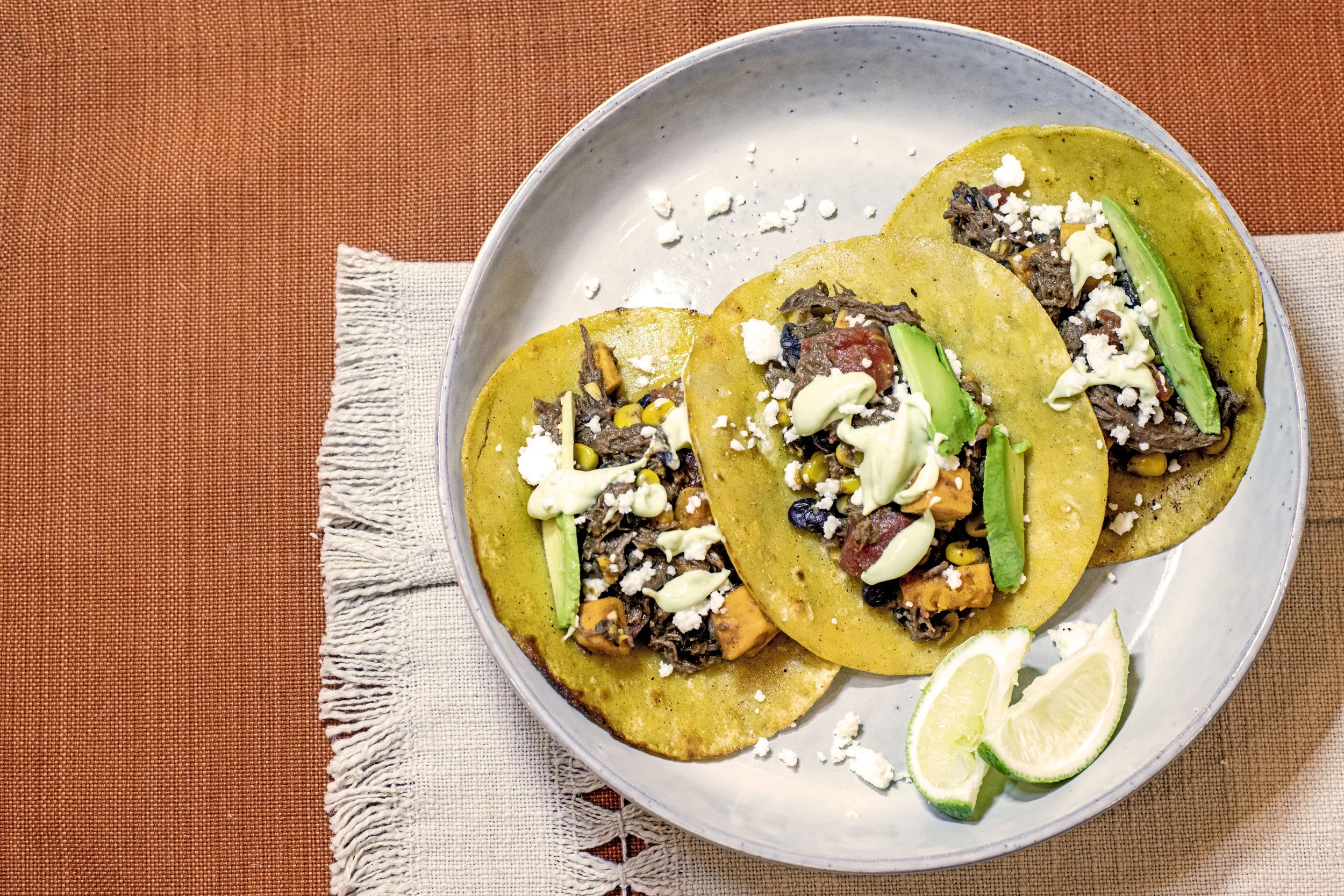
Plate of shredded venison tacos with sweet potatoes, black beans, corn and avocado crema.

How delicious is this plate of Venison Sweet Potato and Black Bean Tacos?

Tacos are my go-to meal, especially when the freezer is packed full of wild game. They just seem to lend themselves as the correct answer to any question. What should we make with this trout we just caught? Fish tacos! I wish I could think of a new way to prepare this pheasant—any ideas? Oh, how about adobo pheasant tacos! Man, I sure am feeling lazy and don’t want to cook—any ideas on a quick meal? Uh, duh, deer tacos!

See what I mean? Tacos are always the answer. And I can’t be the only one who knows it. We have nationwide celebrations dedicated to them! October 4th marks the official single day honoring the taco, but we also dedicate every single week to them with my favorite day: Taco Tuesday. So, if you’re interested in celebrating the taco every Tuesday like I am, I suggest you give this Venison, Sweet Potato, and Black Bean Taco dish a run in your kitchen.

Pressure cooking the venison

A tougher cut of meat is actually perfect for a shredded taco recipe. The generic term for this cut is a chuck roast, which comes from the heavily worked neck or shoulder region of the animal. Because the shoulder is a high-movement area, the meat is tough and packed with connective tissue. While these qualities are not desirable for a quick-cooking steak, they are absolutely ideal for slow-cooking methods that break down the fibers into tender, juicy taco meat.

For this recipe, I used my pressure cooker. I easily could have used a slow cooker—which is actually my preference for shredded meats— but I decided mid-day  instead of in the morning I wanted tacos. Since I didn't have the six to eight hours required for a low-and-slow braise, the pressure cooker saved the day.

Begin by roughly cutting the roast into two-inch chunks. Perfection isn’t required here, but keeping the pieces relatively consistent in size ensures they cook evenly. Season the chunks with a little salt and pepper, and add them to the pressure cooker. Pour a quart of vegetable stock over the top, close the lid, and make sure the pressure release valve is set to the sealing position.

Set the cooker to high pressure for 45 minutes. When the timer indicates that the cooking time is up, allow the machine to naturally release its pressure for 15 minutes before opening the venting valve. Once the cooker has fully depressurized, carefully open the lid and transfer the meat to a cutting board. The chunks should be incredibly tender and already starting to fall apart. Simply use two forks to shred the meat into bite-sized pieces, and set it aside.

Prep the Sweet Potatoes

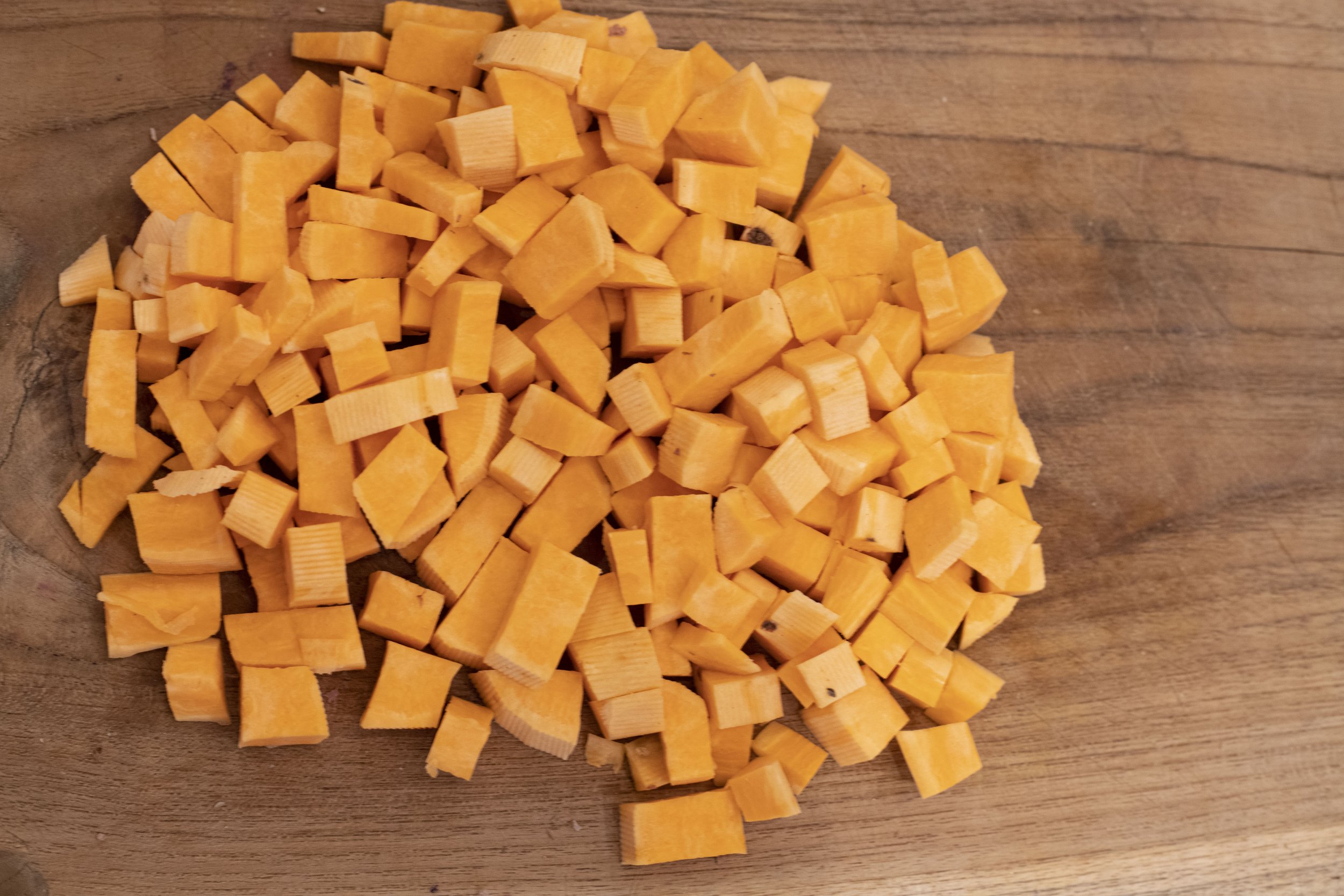
Chopped sweet potatoes for venison tacos

Heat a large skillet over medium-high heat. You will want to grab the biggest skillet you own, because between the shredded meat, sweet potatoes, and black beans, this makes a massive amount of taco filling!

Add a tablespoon of cooking oil to the skillet to preheat. I like to use avocado oil because it has a high smoke point, but other great options include canola oil, vegetable oil, or even rendered bear fat. Once the oil is hot, toss in your diced sweet potato. When prepping the sweet potato, try to keep the cubes relatively uniform in size so they all finish cooking at the same time.

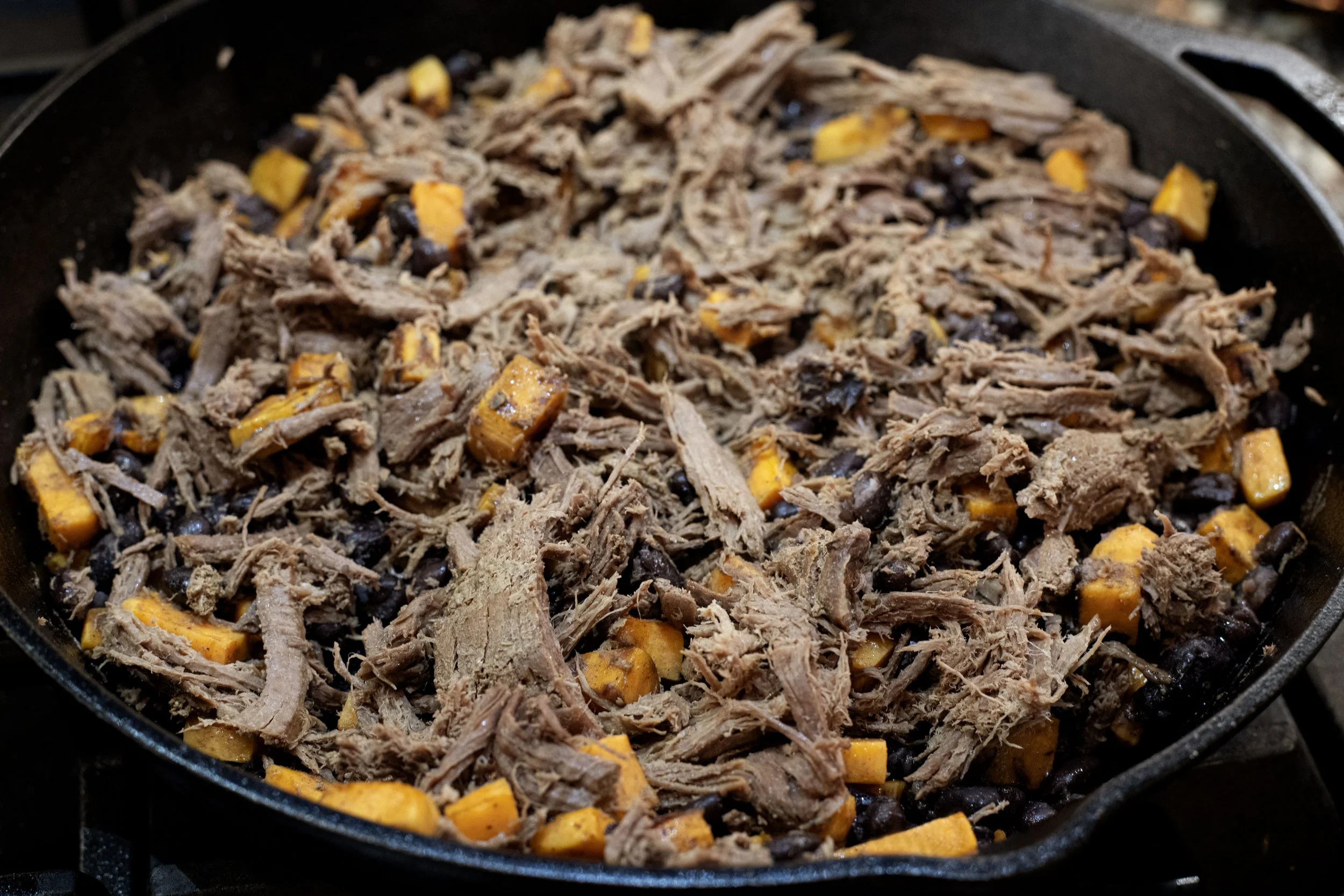
Let the sweet potatoes soften on their own for about five minutes before stirring in the drained black beans. After the beans and sweet potatoes have cooked together for about three minutes, slide your shredded venison into the mix. Things are starting to get good, huh?

Shredded venison meat over sweet potatoes and beans for tacos

Deglaze and season

I have a handful of cooking moments that I absolutely indulge in when the time comes. One is sautéing onions in butter. It smells so good that every single time, I spend a few zen moments just breathing in the sweet steam. A second one is deglazing a pan. I have no preference on the liquid—whether it’s beer, wine, stock, or water—I just love the sound of the cool liquid clashing against the hot pan and watching as it bursts into tiny, simmering bubbles.

Anyway, not to get too far off-topic here, but the next step is to use a can of beer to deglaze your skillet. The actual beer choice is up to the chef. I highly recommend a crisp lager, but really whatever you have on hand will work. If you prefer not to cook with alcohol, some chicken or vegetable stock will do the job perfectly. Pour it in, and be sure to use a spatula to scrape the bottom of the pan for any browned goodies left over from the potatoes or beans.

Once deglazed, season the taco mixture with the tomato paste, cumin, and chili powder. Let the beer simmer for about three to five minutes, or until the liquid has reduced by half.

While the beer is reducing, you can multi-task by prepping the avocado crema. Using a fork, smash your avocado into a smooth mash. Transfer it to a small bowl and mix vigorously with the Mexican crema. Sour cream or even plain Greek yogurt will also work beautifully here. Add the juice of one lime, a pinch of cumin, and a little chili powder. Whisk everything together into a smooth sauce and set it aside for plating.

Another quick task to knock out during the reduction phase is charring the corn. To remove the kernels from the cob, I use a handy trick I saw on a cooking show. Place a small bowl upside down inside a much larger bowl. Use the "island" created by the bottom of the smaller bowl to stand your corn cob upright. Then, simply run your knife down the sides of the cob; the kernels will fall safely into the larger bowl for mess-free collection. Toss the kernels into a separate small skillet over medium-high heat and char them for a few minutes, taking care to stir often so they don't burn.

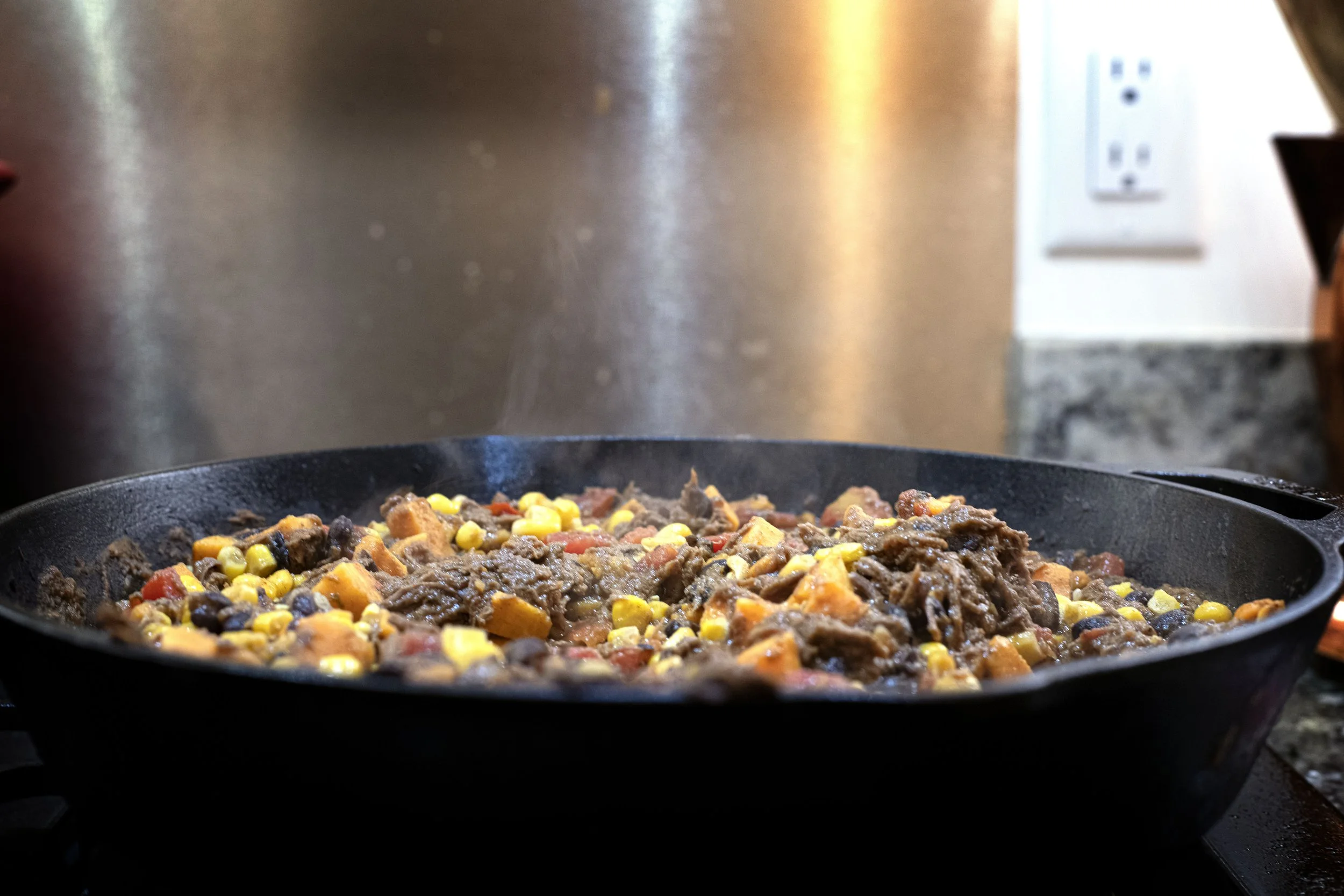
Once the beer in your main skillet has sufficiently reduced, stir in the can of roasted diced tomatoes and your beautifully charred corn. Cook for three minutes more, and just like that, your taco meat is ready to go!

Venison taco meat in skillet ready for plating

Assembly Time

When it comes to serving these tacos, a proper delivery vessel is required—which means it is time to warm up a few tortillas. I always prefer corn tortillas for my tacos, but you can absolutely use flour if you prefer (and I promise not to judge you too much!).

Wipe out that small skillet you just used to char the corn, add a light dusting of cooking oil, and set it over medium heat. Warm each tortilla for a minute or two per side until soft and pliable.

To plate, pile a generous scoop of the venison, sweet potato, and bean mixture right into the center of your warm tortilla. While garnishes are always a personal decision, I found that crumbled cotija cheese, freshly minced cilantro, and a couple of thin slices of fresh avocado pair beautifully with the flavors in the meat. Drizzle your homemade avocado crema over the top, finish it all off with a bright squeeze of fresh lime juice, and enjoy!

Venison Sweet Potato Taco

Venison Sweet Potato Taco

Yield: 4-6
Author: a 12 Gauge Girl
Cook time: 1 H & 20 MTotal time: 1 H & 20 M

Try these Venison Sweet Potato Tacos with black beans, charred corn, and avocado crema. A fast pressure cooker meal with slow-roasted flavor!

Ingredients

Ingredients Venison Sweet Potato Tacos
  • One pound venison chuck roast
  • Quart vegetable stock
  • One tablespoon avocado oil
  • One large sweet potato, peeled and diced into 1” pieces
  • One can (15oz) can black beans
  • One can lager beer
  • One tablespoon tomato paste
  • Two teaspoons cumin
  • Two tablespoons chili powder
  • One can (14.5oz) roasted diced tomatoes
  • Two ears sweet corn, kernels removed from cob (can be substituted for a 15oz can of corn)
  • Salt and pepper
  • Corn tortillas
  • Garnishes: cotija cheese, avocado slices, minced cilantro, lime wedges, diced jalapeno
Ingredients Avocado Crema
  • One avocado
  • ½ cup crema
  • Juice one lime
  • One teaspoon cumin
  • Salt and pepper

Instructions

  1. Step 1: Pressure Cook the Venison
  2. Roughly cut the venison chuck roast into two inch chunks and season with salt and pepper. Add the seasoned venison chunks and quart of vegetable stock to the pressure cooker.
  3. Secure pressure cooker lid and ensure pressure release valve is closed. Set cooker to high pressure for 45 minutes.
  4. Once the timer goes off, allow pressure cooker to naturally release for 15 minutes before turning the pressure valve to venting. Once fully released, transfer venison to a cutting board and shred meat using two forks.
  5. Step 2: Prep the Sweet Potatoes
  6. Heat a large skillet over medium-high heat with a tablespoon of cooking oil. Once heated, add the diced sweet potato chunks and cook for five minutes.
  7. Drain liquid from the can of black beans and then add beans to the skillet and cook for three minutes.
  8. Add shredded venison to the sweet potato and bean mixture and continue to heat for three more minutes.
  9. Step 3: Deglaze and Season
  10. Deglaze the skillet with the beer and let liquid reduce by half, or about three to five more minutes.
  11. Meanwhile: While the beer is reducing, remove the sweet corn kernels from the cob and lightly toast for three to five minutes over medium heat in a small skillet. Be sure to stir the corn kernels often to prevent burning.
  12. Season the meat mixture by mixing in the tomato paste, cumin, and chili powder.
  13. Add the can of roasted diced tomatoes and simmer the mixture for three more minutes.
  14. Add the corn to the venison and sweet potato mixture. Stir and let warm for a few minutes.
  15. Step 4: Make the Avocado Crema
  16. Make the avocado crema in a small bowl. Mash the avocado with a fork. Mix avocado together with the crema, juice from a lime, a teaspoon of cumin and salt to taste.
  17. Step 5: Assemble and Serve
  18. Lightly warm the corn tortillas in a dry skillet or with a splash of oil, if desired.
  19. Place a generous scoop of the venison and sweet potato filling onto each warmed tortilla.
  20. Drizzle with the homemade avocado crema.
  21. Top with additional fresh avocado slices, crumbled cotija cheese, and minced cilantro.
  22. Serve immediately with fresh lime wedges and optional jalapeño slices for heat. Enjoy and happy hunting!

Nutrition Facts

Calories

687

Fat (grams)

31 g

Carbs (grams)

68 g

Fiber (grams)

18 g

Protein (grams)

36 g

 Nutritional values are rough estimates based on standard ingredients and will vary depending on your specific cut of wild game, brands used, and actual serving sizes.
Did you make this recipe?
Tag @a12gaugegirl on instagram and hashtag it #huntingandcooking

Bear Shank Osso Buco

Bear Shank Osso Buco. It is a meal so commanding that just the name is a sentence of its own. I can’t think of a dish that I feel more comforted by and calm while preparing, but at the same time have zero patience as I wait for it to finish in the oven. It is, to me, the definition of comfort food.

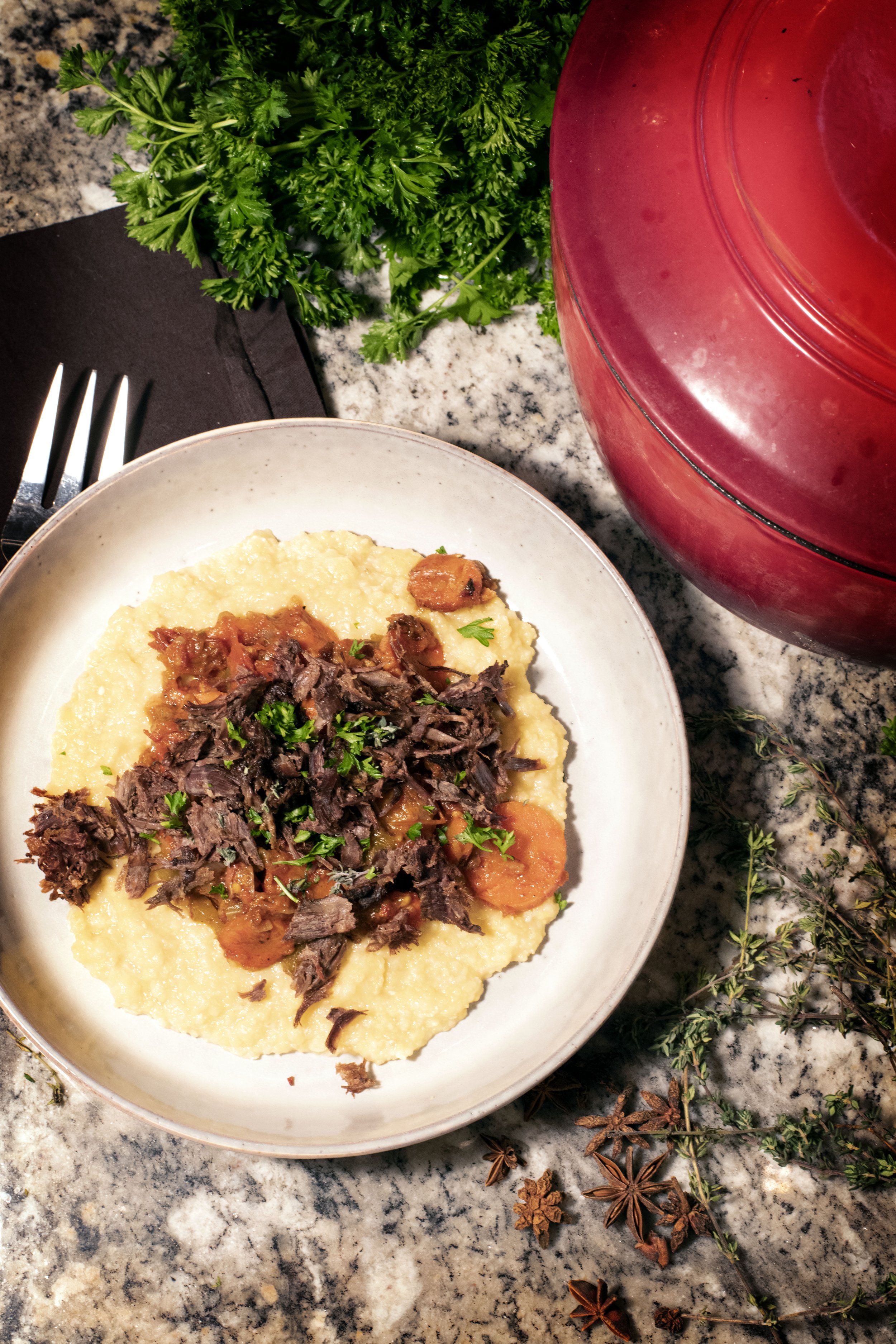
Bear Shank Osso Buco Final Plate

Translating from Italian to English, Osso Buco literally means “bone with a hole” because the dish is the braising of the shank from an animal. The shanks are crosscut, exposing the marrow hole of the bone, and the meat surrounding the bone is tough. Osso Buco takes these two unique aspects of the cut of meat, the still intact marrow of the bone and the ligament filled tough meat, to create a very flavorful, hearty, and tender dish.  

Though not a traditional Osso Buco, this Bear Shank Osso Buco is packed with a full flavor experience! The bear shank is tender and savory, the sauce is rich and silky from the bone marrow but also incredibly flavorful from the spice mixture, and the polenta is creamy and cheesy. It also isn’t too hard to pull off!

The hardest part of preparing Bear Shank Osso Buco is the wait. You brown your shank, chop up your vegetables, put all the kids in the dutch oven swimming pool, and then…you wait…for hours.

The wait is definitely worth it, but man-oh-man does it feel like forever.

Osso Buco’s story starts from Celtic origins and the culinary tradition of Lombard cuisine. Lombard cuisine, developed mostly in the Lombardy provinces of Italy, but this cacophony of cooking influences across centuries of cultures is a collection of rices, pastas, soups, risottos, and polenta. The cuisine is extremely varied, but utilizes a lot of butter, oils, and other cooking fats. It is also known for dishes that are “low and slow” such as braised meats and stews. 

A traditional Lombard cuisine Osso Buco is a veal shank slow braised in white wine and broth with carrots, onions, and celery. With this simple presentation, the marrow is the star of the show.

This Bear Shank Osso Buco recipe has a little bit more going on than a traditional Osso Buco, but it was built using the blocks of a traditional Osso Buco with a little “adjusting” to help the bear shank shine a little more.

Let’s Make Bear Shank Osso Buco

So, let’s get started. Preheat the oven to 325 degrees Fahrenheit. Also, preheat your dutch oven over medium heat. Once the dutch oven is hot, add about a half cup of chopped pancetta and brown until just crispy. Remove the pancetta and set to the side, but reserve the fats left behind for cooking the rest of the dish.

Lightly dust your bear shank in a mixture of flour, salt, and black pepper. Place the coated bear shank into the pancetta fat and brown five minutes per side. If your pancetta didn’t leave enough fat behind for browning your bear shank, add a little oil or butter to the pan.

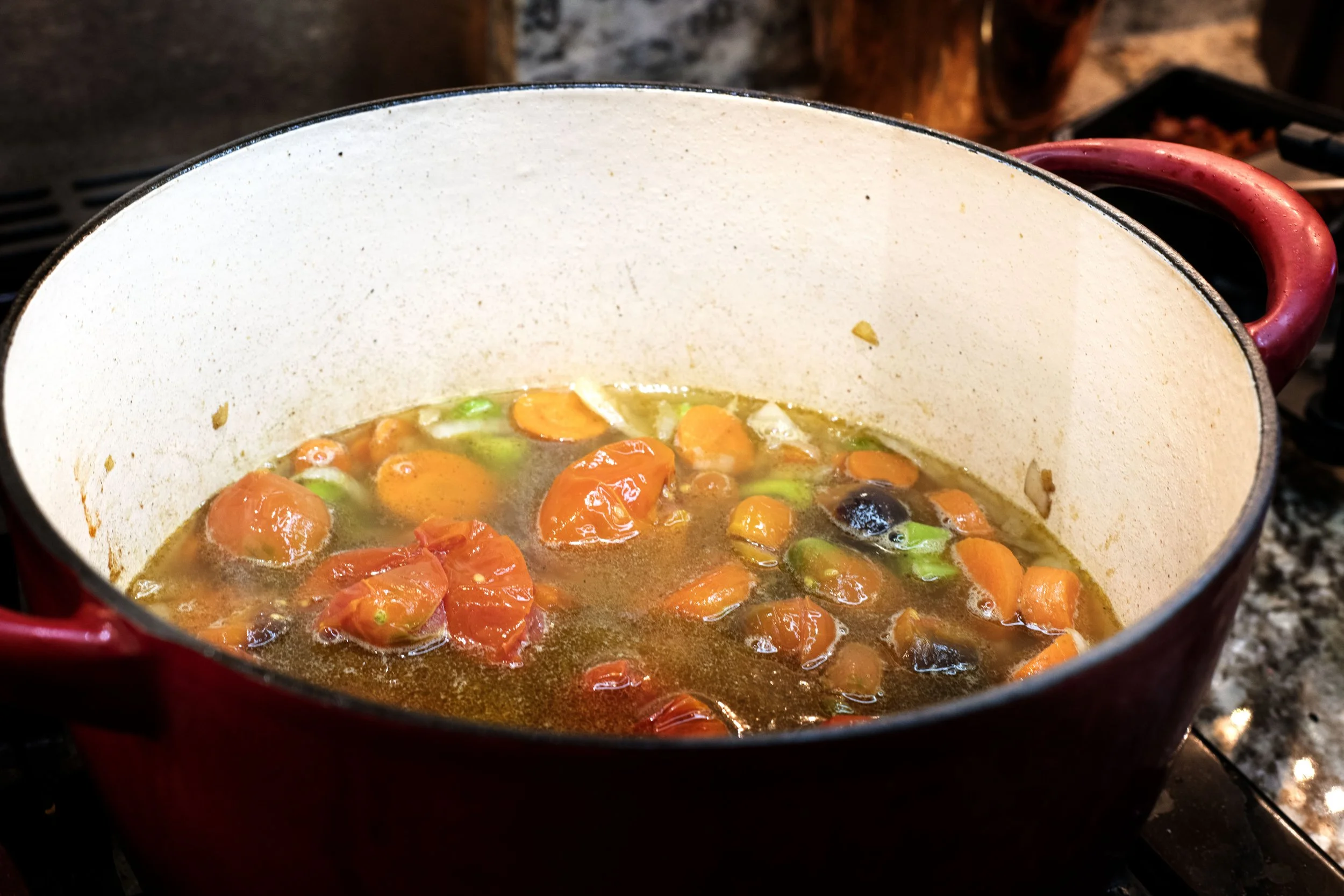
Remove the browned shank and set aside. To the dutch oven, now add one large diced onion, four diced carrots, four diced stalks of celery, and a large minced shallot. Coat everything in the leftover fats and oils and let cook for five to seven minutes, or until the onion starts to turn translucent. 

Braising liquid flavoring: diced carrots, celery, onions, and minced shallot.

Deglaze the dutch oven with a cup of white wine. I always take a minute to bask in the steam from the white wine hitting the hot pan. It smells amazing. I also do that when I put onions into butter. Nothing smells better than onions in butter. Anyway, let the wine cook down for a few minutes to release some of the alcohol, and then add the cup of vegetable stock.

This next step is where we will leave the familiar trail that leads to Osso Buco and add a little flair of our own. Traditionally, Osso Buco does not include tomatoes, but I was just feeling the need to have some tomatoes. I added a pint of cherry tomatoes to the dish. Season to taste with a little salt and pepper. It is also time to add our little bundle of spice joy.

To make your own little bundle of spices, cut a square from cheese cloth and get yourself some twine. You can leave the spices whole because you will pull the entire little bundle from the pot at the end of cooking. My little bouquet bundle included a few sprigs of fresh thyme, a stem of fresh rosemary, a little piece of mace, two bay leaves, a full star anise, and five whole cloves. Tie it up, take a moment to say “Awww” at how cute it is, and drop it into the pot.

Spice bouquet bundle: star anise, whole cloves, thyme, rosemary, mace, and bay leaves

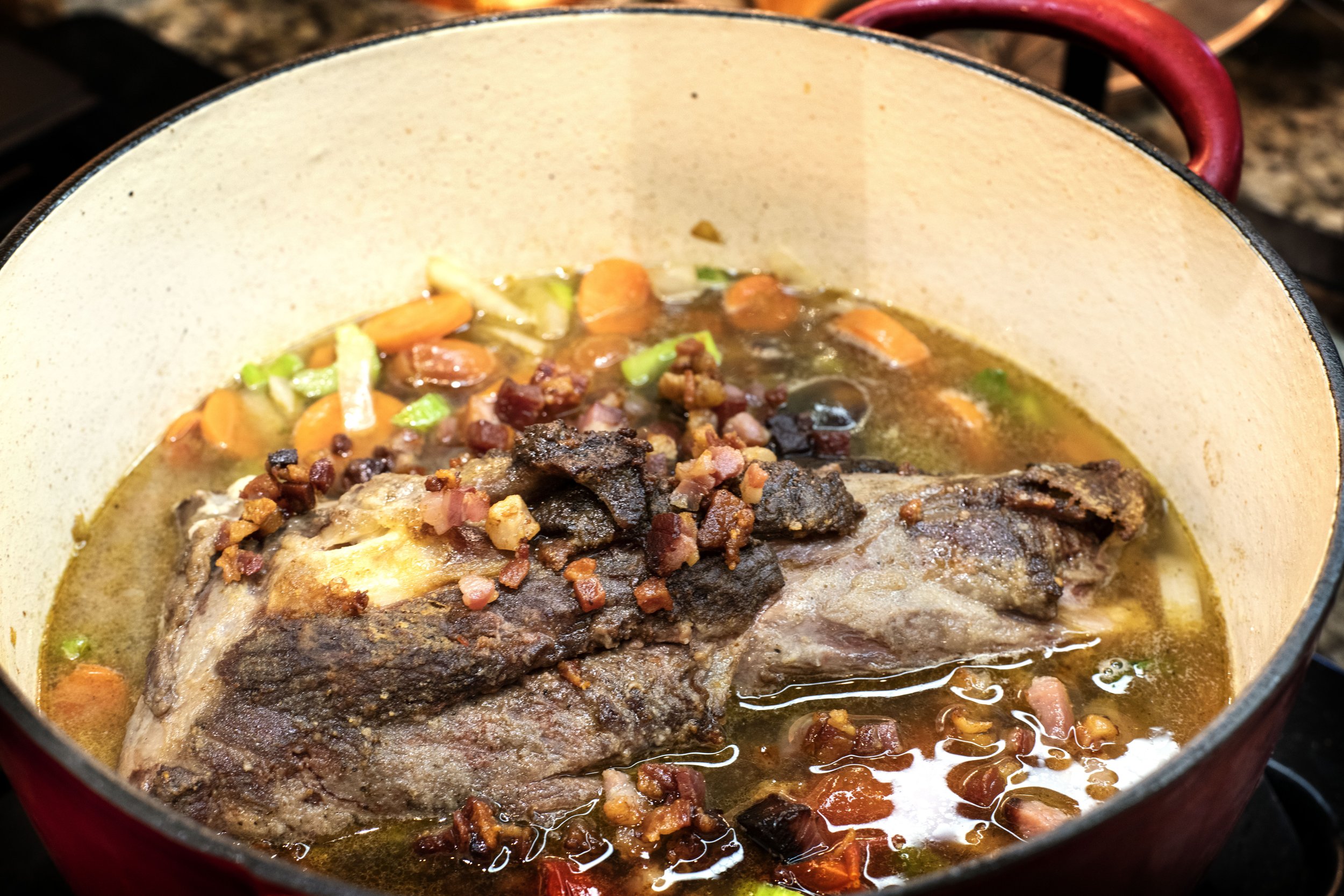
Finally, nestle the bear shank back into the liquid and cover. The liquid should reach about halfway up the shank at all times, so you might check it throughout the braising process to ensure the liquid stays full enough. Shanks are a pretty tough cut of meat off most animals. They are also full of ligaments and tendons, which aren’t always the most appealing items to find in a dish; however, braising actually uses the “flaws” of a shank to the dish’s advantage. The slow cooking at a low temperature in basically a sauna of braising liquid takes the shank meat from tough to tender, sweet, and just a little caramelized from the initial browning. It also breaks down the tastier parts of the ligaments and tendons, releasing collagen into your braising liquid and thus laying the groundwork for a very flavorful and hearty gravy for your final dish.

Slide your dutch oven into a preheated oven to 325 degrees Fahrenheit. Let the shank cook for at least three hours. The shank should be falling apart when you pull it out of the oven. It should be fork tender and shred easily.

Let’s Make Cheesy Polenta

About thirty minutes before your shank is ready to serve, start the polenta. I am in love with cheesy polenta. It is so creamy, a little salty, and soaks up the liquid of anything you top it with. It’s delicious!

You want to make sure your polenta cooks for about thirty minutes so you can start to really break down the corn bits. You want smooth and creamy here. If you do the quick cook recommended on the package, you will end up with chewier and even a bit hard polenta, which is fine, but trust me the slow longer cook is worth the time and effort.

Add three cups of water to a saucepan and a teaspoon of salt. Bring to a boil and then whisk in your cup of polenta. Stir constantly while the polenta thickens. Turn the heat down to low and let the polenta slow cook for up to a half an hour, the longer the better. Stir it frequently to keep it from sticking to the bottom. If it starts to get to dried out, add a little more liquid.

Right before you are ready to pull the polenta from the stove, pour in a cup of cheese. I used gruyere for this dish. The salty but tangy flavor of gruyere sounded perfect with the spice bouquet used to braise the bear shank.

Whelp! It’s time to plate up this bear shank Osso Buco. I can hardly wait! Put a heaping scoop of cheesy, gooey, creamy polenta in a shallow bowl. Add chunks of tender, savory bear shank meat over the top and then drench in the braising liquid gravy. Be sure to get plenty of carrots, celery, and tomatoes. Sprinkle with pancetta bits and fresh minced parsley.

Finally, time to dig in!

Happy Hunting

If You Enjoyed This Recipe, You’ll Also Like…

Sweet Barbacoa Bear Bowl

Elk Tenderloin with Chimichurri Sauce

Seared Deer Steak Medallions in a Cilantro Jalapeno Lime Sauce

Venison Stuffed Shells with Apple and Butternut Squash Sauce

I love the combination of squash and apples. The melded flavors are comforting, warm, savory, and just a little bit sweet. I think when the duo is mentioned many people think of a pie, a sweet and rich auburn pie served for Thanksgiving. But squash and apples don’t always have to be a dessert. They can create a rustic, homey dish like this Venison Stuffed Shells with Apple and Squash Sauce.

This dish takes a little bit of time to pull together, but the end result is worth the effort. To start, cook a medium sized butternut squash in oven at 400 degrees Fahrenheit for 45 minutes. I cut the squash in half and place the squash cut side down on a large baking sheet. You can also line the sheet with aluminum for easier clean-up, as sometimes the squash weeps a little when roasting.

Remove the squash from the oven and let cool slightly before handling. I like to play Russian roulette with the squash and try to pick it up before it has properly cooled, usually resulting in burned hands, but that’s just me.

While the squash is cooling, prepare the venison sausage for stuffing the shells with. In a large skillet over medium heat, add some cooking oil, I like to use olive oil for this particular recipe but work with what you have. Once the oil is heated, add a medium diced onion and cook for five to seven minutes, or until the onion is soft. Next, add in the venison Italian sausage.

I make my own sausage. I grind the venison with bacon ends at a ratio of 80% meat to 20% bacon ends. This gives the sausage a nice fat content that isn’t overly greasy or fatty, but keeps the sausage moist when cooking. I season the sausage with salt, black pepper, crushed red pepper flake, Italian seasoning, allspice, garlic and onion powder, and plenty of fennel seed. I also add touch of brown sugar to sweeten it up a bit.

This recipe requires a pound of venison Italian sausage. Add the sausage to the onions and cook thoroughly, about five to seven minutes again. Once the sausage is cooked through, add a half cup of chopped pecans, a tablespoon of fresh minced sage, and a tablespoon of fresh minced rosemary. Stir together, turn off the heat, and set aside to cool.

While the sausage mixture is cooling, cook your pasta shells. I used jumbo pasta shells for this recipe, but you could also use manicotti. If you are really ambitious, you could make these into raviolis as well. Cook the shells to al dente, where they are soft but not falling apart.

Drain the shells and set aside to cool. As with the butternut squash, I played Russian roulette with the shells and tried to stuff them before they were cool enough for handling. It didn’t feel great.

Wow there are a lot of steps here, but bear with me, it is going to be worth it. Return to the cooled sausage mixture and mix in a container of ricotta cheese. Set that aside.

Back the squash! Scoop the squash guts into a blender and add a little salt and pepper for flavor and half cup to three quarters of a cup of stock. I used a vegetable stock. You could use chicken too if that is what you have on hand. If you were really fancy, this would also be a perfect opportunity to throw in some homemade bone broth.

Blend the butternut squash into a smooth puree. It should still hold together, so add the liquid slowly until you reach a consistency similar to the applesauce. Add the butternut squash puree to a large skillet with a cup of unsweet apple sauce. Turn the heat on medium low and stir until the sauces are combined. Slowly drizzle in a quarter cup of heavy cream and stir until a smooth, creamy, orange sauce forms. Add a cup of parmesan cheese and mix until completely melted.

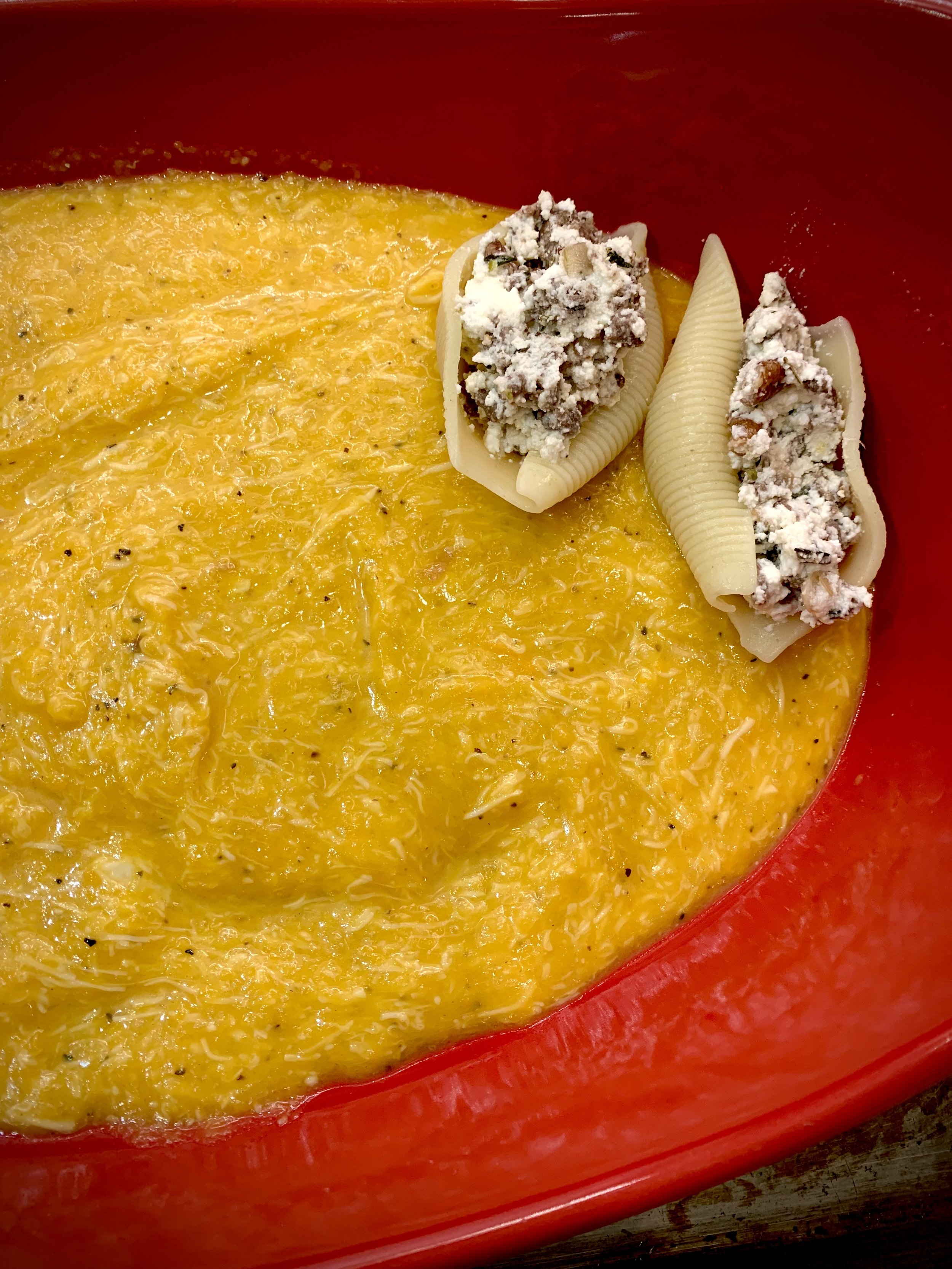
Stuff the shells with the sausage mixture. Spoon a quarter of the apple and butternut squash sauce into the bottom of a 9x13 baking dish. Set the stuffed shells on top of the sauce. Once all the shells are set, pour the remaining apple and butternut squash sauce over the top and then sprinkle on a layer of mozzarella cheese. Bake in a 350 degree Fahrenheit preheated oven for 30 minutes, until the cheese is gooey and the sauce is bubbling!

And now! Time to enjoy! This dish is creamy, rich, and savory. It has hints of squash and apple layered with cheesy goodness and fresh herbs. It is one of my favorite dishes to serve for a crowd because it is easy to make large batches and is incredibly filling.

Happy Hunting!

If You Like This Dish, You Might Also Like….

Wild Turkey Tagliatelle

Pheasant Carbonara

Pronghorn Pumpkin Ale Chili